

Cafe Insurance Online :: News
SHARE

Share this news item!

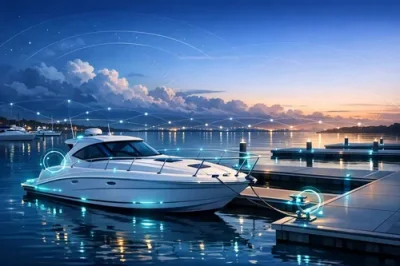
What Global Marine Risk Trends Mean for Australian Boat Owners

Fire prevention, storm planning and policy details remain the practical takeaways

What Global Marine Risk Trends Mean for Australian Boat Owners?w=400

The information on this website is general in nature and does not take into account your objectives, financial situation, or needs. Consider seeking personal advice from a licensed adviser before acting on any information.

Fresh global marine risk reporting has again highlighted a useful contrast for Australian boat owners: major vessel losses may be improving over the long term, but the risks that drive insurance claims are becoming more complex.
While international shipping data is not written for weekend skippers, yacht owners or local charter operators, the themes are familiar: fire, severe weather, machinery failure, navigation errors, theft exposure and rising repair costs can all turn a day on the water into a significant financial event.

For recreational owners, the most practical message is that risk management is not only a commercial shipping issue. Modern boats often carry high-value electronics, lithium-powered devices, sophisticated engines, refrigeration, solar systems and expensive fishing or watersports gear. Each upgrade can improve comfort and performance, but it can also change the risk profile of the vessel. If these additions are not reflected in the policy schedule or sum insured, a claim may not deliver the outcome the owner expects.

Commercial operators should also pay attention. Fishing tours, charters, sailing schools and hire arrangements can face different underwriting questions to private use, especially around passenger safety, maintenance records, crew training and navigation areas. This extends earlier local attention on incident data, where the lesson was that documented safety systems and clear operating procedures can be as important as the insurance policy itself.

Fire remains a standout issue because it can escalate quickly in a marina, at anchor or while a vessel is stored. Owners should treat electrical checks, battery charging practices, fuel system maintenance and onboard fire equipment as insurance-relevant tasks, not just good seamanship. Insurers may consider whether a loss was sudden and accidental, whether maintenance was reasonable and whether excluded causes such as gradual deterioration played a role.

Weather exposure is another pressure point. Stronger storms, flood surge, hail, cyclonic conditions and marina damage can affect boats even when they are not being used. Before peak storm season, owners should check mooring conditions, storage arrangements, navigation limits, cyclone clauses, lay-up conditions, excesses and whether salvage or wreck removal is included. For higher-value vessels, calculating an updated sum insured can help identify whether recent equipment, engine or trailer costs have been properly allowed for.

The broader lesson is simple: global marine risk trends may seem distant, but the same fundamentals apply locally. A well-maintained boat, accurate disclosure, realistic insured values and a policy that matches actual use can make a major difference when a claim is assessed.

Published:Wednesday, 2nd Sep 2026
Author: Paige Estritori

Please Note: We do not endorse any specific products or companies. Some content is sourced from third parties, including press releases, and may not be independently verified for accuracy or completeness.

Share this news item:

Rate this article

0 Comments

No comments yet. Be the first to share your thoughts.

Insurance News

Why rising builder failures matter for contract works cover
17 Sep 2026: Paige Estritori
Australia's construction sector remains under pressure, with recent insolvency figures continuing to show building and construction as one of the most exposed parts of the economy. Higher material costs, tight margins, labour shortages, delayed payments and fixed-price contract stress have all contributed to a tougher operating environment for builders, subcontractors and project owners. - read more
How Softer Truck Sales Can Affect Insurance Decisions
17 Sep 2026: Paige Estritori
Recent transport industry sales updates point to a more selective new-truck market, with operators weighing replacement timing against finance costs, emissions planning, availability and contract confidence. For truck businesses, that matters well beyond the showroom. A change in buying momentum can flow through to vehicle values, repair economics, insurer appetite and the way fleets should set insurance sums before renewal. - read more
Cyber Scam Alerts: What Trade Businesses Should Check Now
17 Sep 2026: Paige Estritori
Fresh small business cyber warnings are a practical reminder that digital risk is no longer just a concern for large companies with complex IT systems. For Australian tradespeople, the most damaging cyber incident may be far simpler: a fake invoice, altered bank details, a compromised email account or a scam message that looks like it came from a supplier, builder, real estate agent or client. - read more
Why Super Service Standards Matter for Your Income Protection
17 Sep 2026: Paige Estritori
ASIC’s continuing focus on superannuation member services has put another practical issue in front of Australian workers: insurance inside super is not just about whether cover exists, but whether members can understand and use it when they need help. Recent regulatory attention on trustee administration, communication and claims support is a timely reminder for anyone relying on salary continuance or income protection benefits through their fund. - read more
What More PBS Trucking Means for Insurance Cover
17 Sep 2026: Paige Estritori
Recent transport industry reporting has again highlighted growing interest in Performance Based Standards vehicles and other high-productivity truck combinations across Australia. For operators, the attraction is clear: fewer trips, better payload efficiency and stronger productivity on approved routes. For insurers, however, the shift is not simply a matter of adding another truck to the schedule. PBS combinations can alter exposure across vehicle value, route compliance, load responsibility, driver capability and recovery after an incident. - read more


Cafe Insurance Articles

Public Liability and Product Liability for Cafes: How Customer Injury and Food-Related Claims Differ
Customer claims in a cafe can arise from many situations, from a slip on a wet floor to illness allegedly caused by food or drink. This article explains how public liability and product liability differ, where they may overlap, and what Australian cafe owners should check when reviewing their insurance. - read more
Insurance and Regulatory Considerations for Cafes in Australia
Australian cafe owners may face legal, contractual and commercial insurance expectations. This guide explains how workers compensation, public liability, vehicle cover, leases and optional business policies can fit together. - read more
Understanding Cafe Insurance: What Every Owner Needs to Know
Running a cafe can be a dream come true, but it's not without its challenges. One of the most critical aspects of managing a cafe is ensuring that it's adequately insured. Cafe owners in Australia face various risks, from equipment breakdowns to customer accidents. Without proper insurance coverage, these incidents can translate into significant financial losses. Insurance acts as a safety net, offering protection against unforeseen events and ensuring the business can recover swiftly. - read more
The Importance of Disability Income Protection Programs for Cafe Owners
Running a cafe is more than just a business; it’s a passion for many. However, for cafe owners, the risk of an injury or illness that could interrupt their ability to work is a genuine concern. Disability income protection is crucial as it provides financial security if you're unable to earn an income due to health issues. - read more
Cafe Contents, Stock and Equipment Insurance Explained
Cafe contents, stock and equipment insurance can help protect the physical assets a cafe relies on, from coffee machines and fridges to furniture, inventory and some fit-out items. This guide explains what Australian cafe owners should consider when assessing cover, sums insured, spoilage risks and common policy limitations. - read more

Knowledgebase
Grace Period:
A time period after the premium is due during which an insurance policy remains in force even if the premium has not yet been paid.